
20 Top Tips for Packing Your Home Efficiently Using Removal Boxes
Packing for a house move can feel overwhelming, especially when every room contains items of different sizes, weights and levels of fragility. However, a clear plan and the right removal boxes can make the process more organised, protect your belongings and save time when you reach your new home.
Instead of packing at random, work through your home in stages and prepare every box for safe lifting, stacking and transport. These practical packing tips for moving house will help you avoid common mistakes and make moving day easier.
1. Start Packing Early
Begin with belongings you rarely use, including seasonal clothing, books, ornaments, spare bedding and items stored in the loft or garage. Packing gradually reduces last-minute pressure and gives you time to organise each box correctly.
2. Declutter Before You Pack
Moving unwanted items wastes boxes, van space and effort. Sort your belongings into four groups: keep, donate, sell and recycle or dispose of. The fewer unnecessary items you take, the quicker and more manageable your move will be.
3. Gather Your Packing Supplies
Prepare everything before starting, including strong removal boxes, packing tape, bubble wrap, packing paper, labels and marker pens. A complete house moving kit can help you order the essential materials together.
4. Choose the Right Box Size
Use smaller or medium boxes for books, tools, tins and other heavy belongings. Reserve larger boxes for lighter, bulky items such as duvets, cushions and towels. Check a moving box size guide before ordering if you are uncertain.
5. Assemble Boxes Correctly
Fold the base panels neatly and seal the centre seam and both edges with quality tape to form an H-shaped seal. Add another strip for heavier contents. Simply folding the flaps together may not provide enough support during lifting.
6. Pack One Room at a Time
Finish one area before moving to the next and keep packed boxes in a designated space. Start with less frequently used rooms, then move towards the kitchen, bathroom and main bedroom. This system also makes unloading and unpacking easier.
7. Label Every Box Clearly
Write the destination room and a short description of the contents on the top and one side. “Kitchen – Everyday Glasses” is more useful than simply writing “Kitchen”. Add instructions such as “Fragile”, “Heavy” or “This Way Up” when needed.
8. Place Heavy Items at the Bottom
Pack strong, heavy belongings at the base and lighter items above them. Follow the same rule when stacking boxes in your home or removal van. Never place a heavy box of books on top of glassware, ornaments or electronics.
9. Keep Box Weights Manageable
A box may have spare space but still be too heavy to carry safely. Test the weight while packing. If you cannot lift it comfortably, divide the contents between two boxes. Overloaded boxes are more likely to split, collapse or cause an injury.
10. Wrap Fragile Items Individually
Protect glasses, crockery and ornaments separately with packing paper or bubble wrap. Add cushioning to the bottom and sides of the box, and make sure delicate items cannot touch or knock against one another.
11. Pack Plates Vertically
Wrap plates individually and position them upright on their edges rather than stacking them flat. Add cushioning underneath, between and around them. This method can also work well for framed pictures and other flat items when suitable protection is used.
12. Fill Empty Spaces
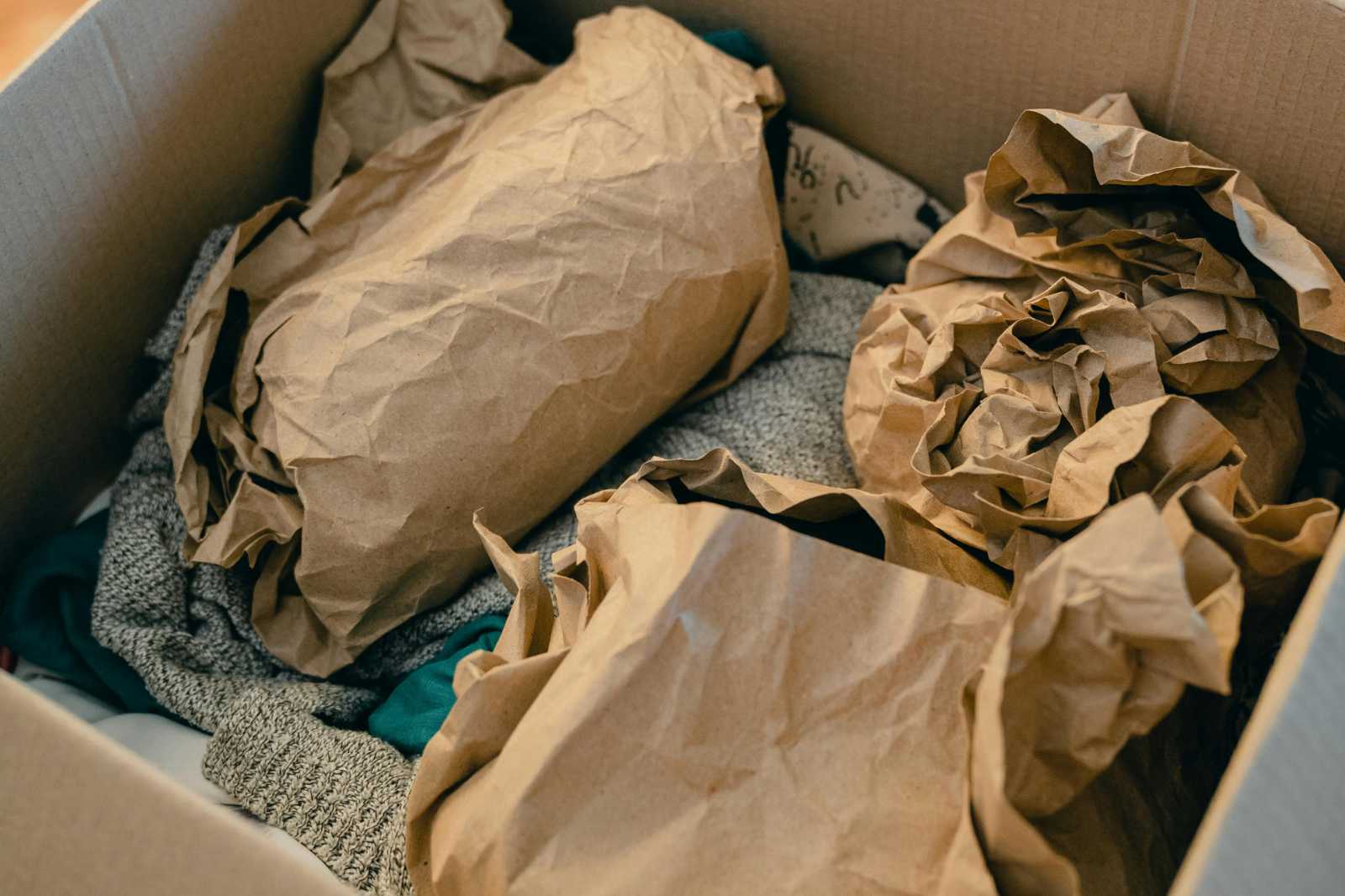
Items can break when they move inside a box. Fill gaps with crumpled packing paper, bubble wrap, clean towels or soft clothing. Before sealing the box, gently check for movement and add more cushioning where necessary.
13. Use Linen as Additional Padding
Clean towels, T-shirts, pillowcases and bedding can cushion sturdy household items while saving space. However, use proper protective packaging for valuable glassware, electronics and highly fragile belongings rather than relying only on clothing.
14. Keep Furniture Fittings Together
Place screws, bolts, brackets and other small parts in a labelled sealable bag. Attach it securely to the relevant furniture or store all fittings in one marked box. Take photographs before dismantling items to make reassembly easier.
15. Pack Electronics Carefully
Use original packaging where possible. Otherwise, choose a strong box and protect screens, corners and delicate parts. Photograph cable connections before unplugging them, label each wire and pack chargers or remote controls with the correct device.
16. Prepare an Essentials Box
Pack toiletries, medicines, chargers, toilet roll, basic tools, snacks, cleaning supplies, bedding and a change of clothes in one clearly labelled box. Keep keys, important documents and valuable personal items with you rather than placing them in the removal van.
17. Use Wheeled Suitcases for Heavy Items
Suitcases with wheels are useful for books, files and other dense belongings because they are easier to move across level surfaces. Do not overload them, and check that the handles, wheels and zips can support the weight.
18. Protect Furniture Properly
Use furniture covers, moving blankets or protective wrap to reduce scratches, dust and marks. Remove shelves and detachable parts where practical. Avoid applying tape directly to painted, polished or upholstered surfaces because the adhesive may cause damage.
19. Create a Box Inventory
Number your boxes and record each number, destination room and general contents in a written or digital list. This helps you confirm that everything arrived and locate specific belongings without opening several boxes after the move.
20. Seal and Stack Boxes Safely
Close each box with strong packing tape after checking the contents. Store boxes in a dry area away from walkways. Stack heavier cartons below lighter ones and avoid unstable piles that could fall.
Common Packing Mistakes to Avoid
Avoid using damaged or weak boxes for valuable belongings, mixing contents from several rooms, leaving fragile items without cushioning and sealing boxes before checking them. Do not pack liquids that may leak beside clothing, books or electronics. You should also confirm which restricted, hazardous or unusual items your removal company will not transport.
Before moving day, make sure every box is labelled, securely sealed and light enough to handle. Keep fragile boxes separate and tell your movers which belongings need special care. A few final checks can prevent damage and reduce delays during loading and unloading.
Frequently Asked Questions About Packing for a House Move
How far in advance should I start packing?
Start several weeks before your moving date, beginning with seasonal and rarely used belongings. Leave everyday kitchenware, toiletries, work items and essential clothing until the final few days so your home remains practical while you prepare.
What should I pack in large removal boxes?
Large removal boxes are best for lightweight, bulky belongings such as bedding, cushions, towels, lampshades and soft furnishings. Avoid filling them with books, tools or tins, as the completed box may become difficult and unsafe to lift.
How can I stop items moving inside a box?
Wrap delicate belongings individually and fill every gap with packing paper, bubble wrap or clean, soft materials. Before sealing the box, gently test it for movement. Add more cushioning if you can hear or feel the contents shifting.
Make Moving Day Easier with the Right Removal Boxes
Efficient packing is not about forcing as many belongings as possible into the fewest boxes. It is about choosing suitable packing boxes, protecting each item, keeping the weight manageable and creating a system that works from packing through to unpacking.
For strong moving boxes, bubble wrap, packing tape and convenient moving packs, explore the full range available from Removal Boxes. Ordering your packing supplies early can help you stay organised, protect your belongings and approach moving day with greater confidence.